Showing posts with label Farm Mechanization. Show all posts

Wednesday, November 8, 2023

What Is Greenhouse Technology In Agriculture ?

Agriculture Greenhouse Technology


           In the area of modern agriculture, the significance of greenhouse generation cannot be overstated. Greenhouses have revolutionized the manner we develop crops, presenting a managed surroundings that allows for year-spherical cultivation, improved crop excellent, and higher yields. This article will provide an outline of what greenhouse technology is and find out its significance in contemporary-day agriculture.


What is Greenhouse Technology?


Greenhouse Fresh Vegetables


            Greenhouse technology includes the development and operation of structures that create a controlled surroundings for plant growth. These structures are usually manufactured from materials like glass or plastic, which allow sunlight to go into at the identical time as trapping heat internal. The managed environment interior a greenhouse consists of regulated temperature, humidity, and air go with the flow, imparting an maximum super placing for plant boom. Greenhouses may be used to domesticate a huge range of flowers, from veggies and vegetation to herbs and even tropical end result.


Significance in Modern Agriculture


1. Year-Round Production :


Greenhouse Vegetable Production


           Greenhouses offer a managed surroundings in which temperature and humidity may be regulated, allowing flowers to thrive despite the fact that out of doors weather situations are negative. This prolonged growing season is worthwhile for areas with harsh winters or unpredictable climate styles. Farmers can develop vegetation at some point of the year, lowering seasonal fluctuations in food supply and making sure a consistent and stable source of glowing produce. This is especially vital in addressing food protection and meeting the needs of a growing global population.


2. Enhanced Crop Quality :


Greenhouse Crop Quality


           Greenhouses act as a defend towards pests, sicknesses, and excessive climate events such as storms or heavy rains. By maintaining a managed and protected environment, plants are a lot less uncovered to environmental stressors and pathogens. This results in better exquisite plant life with fewer blemishes, making them extra visually attractive and marketable. Additionally, the reduced exposure to pests and ailments often decreases the need for chemical insecticides, promoting more sustainable and green farming practices.


3. Increased Yields :


            The precise control over environmental factors in greenhouses, such as temperature, mild, and humidity, permits for the optimization of crop boom situations. This quality-tuning of developing parameters frequently results in better yields in step with square foot of growing space in comparison to standard open-subject farming. The regular situations within the greenhouse permit flowers to photosynthesize and grow extra correctly. Higher yields not first-class gain farmers economically but additionally contribute to addressing worldwide food supply demanding situations.


4. Resource Efficiency :


           Greenhouse farming excels in useful resource control, mainly concerning water and vitamins. Precise control over irrigation and fertilization allows the minimization of water utilization, lowering waste and preserving this treasured useful resource. Additionally, greenhouse systems that employ superior strategies like hydroponics and aquaponics require minimum soil utilization, which no longer simplest saves arable land but moreover reduces the hazard of soil erosion. These resource-green practices make a contribution to more sustainable and environmentally pleasant farming techniques.


5. Climate Adaptation :


Greenhouse Climate Adaptation


             Greenhouses offer a managed and sheltered surroundings that acts as a buffer towards the damaging outcomes of climate trade and severe weather activities. When confronted with heatwaves, storms, or sudden temperature fluctuations, greenhouse vegetation continue to be blanketed and may keep developing as standard. This adaptability is essential for ensuring a stable and dependable meals supply in a global wherein unpredictable weather styles have emerge as an increasing number of common.


6. Reduced Chemical Dependency :


            The controlled environment of greenhouses considerably reduces exposure to external pests and illnesses. As a end result, greenhouse plant life often require fewer chemical inputs along with pesticides and herbicides. This no longer best reduces the environmental effect of farming however additionally contributes to the development of extra sustainable and environmentally pleasant agricultural practices. It can result in greater healthful, chemical-unfastened produce, that is increasingly more in call for amongst clients.


7. Local and Urban Farming :


           Greenhouse era is playing a vital position in permitting community and urban agriculture. By bringing food production in the direction of city facilities, it reduces the need for long-distance transportation of produce. This localized method now not handiest cuts down on transportation-related carbon emissions but moreover enables the growth of sustainable, community-primarily based food systems. Urban and local farming with greenhouses allows fresh, exceptional produce to be pretty definitely to be had, decreasing the reliance on global supply chains.


8. Research and Innovation :


Greenhouse Reserch And Innovations


          Greenhouses function valuable equipment for agricultural research and innovation. Scientists and researchers can utilize the controlled environments of greenhouses to behavior experiments and increase new crop kinds and growing strategies. This managed setting allows for specific checking out of variables, making it much less tough to apprehend plant responses to big situations. The insights won from greenhouse experiments have far-accomplishing implications, from improving crop resilience to addressing disturbing situations which encompass crop diseases, pest control, and optimizing boom strategies. In this manner, greenhouses play a pivotal function in advancing agricultural know-how and innovation.


9. Energy Efficiency :


           Greenhouse technology has advanced to grow to be extra power-green, contributing to sustainability efforts. Advances in greenhouse design and generation have made it viable to comprise renewable electricity assets, which include solar panels, to strength the ones structures. By harnessing smooth electricity, greenhouse operations can notably reduce their carbon footprint. The strength overall performance of present day greenhouses now not fine advantages the environment but also reduces operational fees for farmers, making them greater economically possible ultimately.


10. Diverse Crop :


Greenhouse Crops


          Greenhouse technology has converted the face of modern agriculture. It gives solutions to 3 of the worrying conditions going through the agricultural area nowadays, from weather alternate and useful resource shortage to the want for sustainable and efficient farming practices. As we drift towards a more sustainable and resilient destiny, the feature of greenhouse generation in agriculture is ready to come to be more and more massive.: Greenhouses are enormously versatile and may useful resource the cultivation of a enormous range of plants, even individuals who are not nearby to a particular place. This diversification of flowers offers numerous benefits. It may be economically nice as farmers can tap into region of interest markets for exclusive or out-of-season produce, frequently commanding higher prices. Additionally, diversifying crop cultivation enables meet the developing purchaser call for for quite a few sparkling and unique produce. This not only advantages the farmers however additionally affords clients with a miles broader choice of sparkling, regionally grown, and sustainable options.


Summary :


       Greenhouse era has converted the face of present day agriculture. It offers answers to most of the challenges going via the agricultural sector nowadays, from weather change and useful resource shortage to the need for sustainable and green farming practices. As we flow closer to a extra sustainable and resilient destiny, the function of greenhouse generation in agriculture is about to grow to be increasingly full-size.


Tuesday, November 7, 2023

Introduction To Post Harvest Technology


Post-Harvest Technology

           In the arena of agriculture, the adventure of meals from the field to our tables involves more than one tiers, and one critical but regularly ignored section is submit-harvest technology. This department of agricultural technological knowledge plays a pivotal role in preserving the satisfactory and safety of food, lowering waste, and ensuring that the end result of farmers' exertions gain customers within the extremely good viable state of affairs. In this blog submit, we are able to find out the essential elements of publish-harvest era, what it includes, and why it subjects in contemporary worldwide.


I. What Is Post-Harvest Technology ?


Post-Harvest Technology


             Post-harvest era, from time to time called post-harvest coping with or publish-harvest control, encompasses the strategies and strategies used to address, save, system, and delivery agricultural merchandise after they are harvested. This section of the agricultural cycle is important for maintaining the splendid and safety of food, extending its shelf life, and minimizing losses because of spoilage, pests, and physical harm.


II. Key Components of Post-Harvest Technology


1. Harvesting : 


          Proper harvesting techniques contain choosing the right time for harvesting to ensure that vegetation are at their height ripeness. This preference impacts the extraordinary, flavor, and dietary price of the produce.


2. Cleaning : 


        Cleaning is important to take away contaminants which incorporates dust, pesticides, and pathogens. It's a critical step in ensuring food safety and customer health.


3. Sorting and Grading :


         Sorting and grading contain categorizing merchandise based on severa criteria like length, shape, color, and remarkable. This enables meet marketplace demands, fit consumer possibilities, and achieve consistency in product fine.


4. Packaging : 


        Effective packaging isn't always best approximately protective products from physical harm inside the course of transportation however moreover plays a feature in maintaining freshness, preventing moisture loss or benefit, and serving as a marketing tool. Appropriate packaging also can reduce meals waste through extending shelf existence.


5. Storage :

        Maintaining proper garage situations is crucial to save you spoilage and amplify the shelf existence of agricultural products. For example, controlled temperature and humidity ranges can notably have an impact at the sturdiness of produce, and cold storage facilities are commonly used for plenty perishable gadgets.


6. Transportation : 


           Efficient transportation structures make sure that products obtain their vacation spot without harm. Temperature-controlled transportation is important for perishable gadgets, as it prevents temperature fluctuations which could bring about spoilage or quality degradation.


7. Processing :


          Processing might also additionally contain numerous techniques like canning, freezing, or drying to create cost-delivered merchandise with longer shelf lives. This step allows manufacturers to diversify their product offerings and meet customer desires for convenience and prolonged product availability.


III. Why Post Harvest Technology Matters ?


Post-Harvest Technology


1. Reducing Food Loss and Waste :


            Post-harvest era performs a pivotal function in lowering meals losses and waste. The statistic data shows from Food and Agriculture Organization that about one-third of all meals produced is out of place or wasted underscores the urgency of addressing this trouble. Effective post-harvest practices, which incorporates proper garage and transportation, can substantially mitigate those losses, essential to financial economic savings for producers, reduced environmental impact, and extended food availability for those in need.


2. Ensuring Food Safety :


            Maintaining meals safety is a top precedence inside the food industry. Improper managing and processing of agricultural products can cause infection, foodborne ailments, and public health risks. Post-harvest era focuses on measures like cleansing, sorting, and packaging, which make contributions to the safe transport of food to customers. This no longer only protects public fitness however also builds trust in the food deliver chain.


3. Enhancing Food Quality  :


            Consumers assume clean, nutritious, and flavorful meals. Post-harvest technology allows maintain the best of produce after harvest. Proper handling, sorting, and packaging strategies make certain that customers collect merchandise that meet or maybe exceed their expectancies. This now not most effective results in purchaser pleasure however additionally supports the popularity of farmers and meals manufacturers.


4. Extending Shelf Life : 


            Many agricultural meachandise, in particular perishable items like stop end result and vegetables, have a limited shelf life. Post-harvest era can extend this shelf lifestyles through techniques which includes managed temperature garage and packaging improvements. This extension permits for products to be saved for longer periods and transported to far off markets, decreasing the urgency of consumption and ability waste.


5. Supporting Economic Viability : 


            Efficient post-harvest practices benefit every farmers and purchasers. Farmers can command higher charges for super produce, decreasing income volatility and increasing profitability. Consumers, in turn, gain access to a much wider range of easy and secure meals alternatives. This consequences in a win-win state of affairs that facilitates the livelihoods of producers and ensures a greater diverse and dependable meals supply for customers.


Post-Harvest Technology


Summary :


            Post-harvest technology is a vital hyperlink within the meals deliver chain that regularly is going disregarded. However, its significance cannot be overstated. By lowering meals losses, making sure food protection, improving great, extending shelf life, and helping financial viability, post-harvest technology performs a important function in feeding the world's growing populace and decreasing the environmental footprint of agriculture. As we hold to stand worrying situations associated with food safety and sustainability, the function of put up-harvest era will become increasingly more large.


Monday, November 6, 2023

Type Of Irrigation System In Agriculture

Agriculture Irrigation


     Irrigation is a cornerstone of modern-day agriculture, ensuring vegetation receive the right quantity of water to thrive. There are various irrigation techniques available, every tailor-made to specific needs and conditions. In this blog, we will delve into the four number one varieties of irrigation structures: floor irrigation, drip irrigation, sprinkler irrigation, and sub-floor irrigation, detailing their concepts, advantages, and programs.


1. Surface Irrigation


Surface Irrigation


Principle : 


         Generally those technique is antique and conventional. Water flows over the sphere floor by using gravity and is distributed across the sector in a controlled manner.


Advantages :


a. Low preliminary investment.


b. Suitable for a huge variety of crops.


c. Effective for leveling fields and reducing soil erosion.


Applications :


a. Widely used in rice paddies.


b. Common for developing vegetation like corn, wheat, and cotton.


2. Drip Irrigation


Drip Irrigation


Principle : 


           Drip irrigation promises water without delay to the basis zone of flowers through a network of pipes, tubes, and emitters. It uses low-stress and coffee-flow structures to decrease water wastage.


Advantages :


a. Exceptional water efficiency, decreasing water wastag.


b. Precise control over water and nutrient delivery.


c. Reduced weed increase and sickness prevalence.


Applications :


a. Ideal for fruit orchards, vineyards, and vegetable gardens.


b. Used in arid regions in which water is scarce.


c. Suitable for greenhouse cultivation.


3. Sprinkler Irrigation


Sprinkle Irrigation


Principle :


            Sprinkler irrigation mimics rainfall by means of spraying water into the air and allowing it to fall to the ground. It uses a community of pipes and pumps to distribute water evenly.


Advantages :


a. Versatility in irrigation sample and radius.


b. Effective for frost safety and cooling in sure crops.


c. Suitable for a extensive variety of discipline crops and lawns.


Applications :


a. Common in large-scale agriculture for vegetation like maize, soybeans, and potatoes.


b. Popular for panorama and golfing path irrigation.


4. Sub-Surface Irrigation


Sub Surface Irrigation


Principle : 


           Sub-surface irrigation entails turning in water under the soil floor, typically thru buried pipes or tubes with perforations to launch water immediately to the root area.


Advantages :


a. Minimizes water evaporation and decreases weed increase.


B. Improves soil aeration and root fitness.


C. Suitable for waterlogged soils and salt-affected areas.


Applications :


a. Often utilized in orchards, vineyards, and nurseries.


B. Beneficial in areas with excessive water tables.


  • Selecting the Right Irrigation System


Irrigation

          The preference of irrigation device depends on several elements, together with the kind of crop, soil characteristics, weather, and water availability. Here are a few tips to help you pick out the proper irrigation machine:


1. Crop Type : 


            Different plants have varying water requirements. For water-intensive plants like rice, floor irrigation can be suitable. Drip irrigation is good for high-price crops, whilst sprinklers are flexible for discipline plants.


2. Soil Type :


          Soil texture, permeability, and shape can have an effect on water distribution. Sandy soils benefit from drip or sprinkler systems, whereas sub-surface irrigation may match well in clayey soils.


3. Climate : 


          Consider the local climate, precipitation patterns, and evaporation prices. Drip and sprinkler systems are green in arid areas, whilst surface irrigation can be extra appropriate in areas with ordinary rainfall.


4. Water Availability : 


           Evaluate the supply and availability of water. Drip and sprinkler systems may be optimized for water conservation, making them appropriate for areas with restricted water resources.


5. Budget and Infrastructure :


           The preliminary investment and preservation prices need to be factored in. Surface irrigation regularly has lower upfront prices, even as drip irrigation can lead to long-time period financial savings in water and labor.


Summary :


            Selecting the right irrigation system is a vital selection for farmers and agricultural professionals. Each gadget has its unique blessings and programs, however the closing purpose is to efficaciously deliver water to vegetation even as maintaining this treasured aid. By know-how the ideas and blessings of those four primary irrigation techniques, you may make knowledgeable decisions to optimize agricultural production while selling sustainability and useful resource conservation.


Sunday, November 5, 2023

Subsoiler Overview : Types, Benefits & Use In Hard Compact Soil

SubsoilerPlough


           Subsoilers are a critical device in present day agriculture, designed to enhance soil structure and beautify crop yield. In this weblog publish, we'll explore the world of subsoilers, delving into their capabilities, advantages, and quality practices to be used. Whether you are a pro farmer or simply starting in agriculture, know-how subsoilers may be a recreation-changer for your farm's productivity.


1. What Is a Subsoiler ?


         A subsoiler is a specialised put into effect utilized in agriculture to break up compacted soil layers under the floor. Unlike traditional plows or tillers that paintings the topsoil, subsoilers goal the subsoil, that is often dense and impervious to roots. By doing so, they enhance soil aeration, water infiltration, and root penetration, in the long run main to healthier and more efficient vegetation.


2. Benefits of Subsoilers :


Agriculture Plough


a. Improved Soil Structure :


          Subsoilers cut up compacted soil layers with the aid of developing channels or fissures, which allow for progressed soil aeration and root growth. This advanced soil shape also aids within the motion of water via the soil profile, decreasing the risk of waterlogged conditions.


b. Enhanced Water Management : 


          The advanced soil shape as a consequence of subsoiling helps the soil hold moisture greater correctly. By breaking up compacted layers, subsoilers permit rainwater to infiltrate the soil more without difficulty and decrease floor runoff, therefore assisting to control water resources effectively.


c. Increased Nutrient Availability : 


         Subsoilers facilitate the motion of nutrients in the soil profile. When compacted layers are damaged, vitamins have a better danger of accomplishing plant roots, making them more on hand for uptake. This can lessen the want for additional fertilizers and improve average nutrient utilization.


d. Reduced Soil Erosion :


           Compacted soils are more susceptible to erosion, specifically all through heavy rainfall. By lowering soil compaction, subsoilers help prevent soil erosion by means of allowing rainwater to infiltrate the soil in preference to jogging off the floor. This gain is vital for soil conservation and preventing sediment runoff into water our bodies.


e. Higher Crop Yields :


          Ultimately, the aggregate of stepped forward soil shape, better water management, accelerated nutrient availability, and reduced erosion results in higher crop yields. Healthy, nicely-structured soil provides an highest quality surroundings for plant growth, resulting in more efficient vegetation and doubtlessly increased income for farmers.


          Incorporating subsoilers into agricultural practices is an effective manner to address soil compaction troubles and improve ordinary soil fitness, which can have some distance-achieving blessings for sustainable and profitable farming.


 >>Also Read : 

Cereal Crops | An Overview


3. Types Of SubSoiler


a. Chisel Subsoilers :


       Chisel subsoilers normally encompass multiple shanks arranged in a row, every with chisel-like recommendations or blades. These blades are designed to reduce thru compacted soil layers.


Applications : 


         Chisel subsoilers are flexible and can be used in various soil conditions. They are powerful at breaking apart moderately compacted soils and are often used in conventional tillage structures.


Advantages : 


          They offer exact soil disturbance without inflicting immoderate disruption to the soil profile, making them appropriate for many cropping systems.


b. Ripper Subsoilers :


        Ripper subsoilers have a unmarried, sturdy shank with a pointed tip. The design is meant for penetrating extremely hard or compacted soils, including those with rocky or clayey compositions.


Applications : 


           Ripper subsoilers are mainly beneficial in conditions wherein soil compaction is excessive, and other implements may also warfare to break via. They are generally utilized in deep tillage operations.


Advantages : 


         These subsoilers excel at shattering deep compacted layers and may substantially enhance root penetration in challenging soil situations.


c. Parabolic Subsoilers :


         Parabolic subsoilers are characterized by using their curved shape, which minimizes soil disturbance while successfully breaking up compacted layers. They normally have one or greater shanks with curved pointers.


Applications :


           Parabolic subsoilers are properly-applicable for conservation farming practices. They purpose to disturb the soil as little as viable at the same time as still addressing soil compaction issues. They are frequently used in no-till or decreased-till systems.


Advantages : 


          These subsoilers lessen the threat of soil erosion and help maintain soil shape at the same time as enhancing water infiltration and root get admission to to nutrients.


          Choosing the right kind of subsoiler depends at the particular soil situations, the diploma of compaction, and the farming practices employed on a specific farm. Each kind has its strengths and is treasured in specific contexts to enhance soil health and crop productiveness.


 >>Also Read : 

A Cup Of Tea Will Help You To Refresh Your Mood !


4. When To Use Subsoiler


a. Pre-Planting :


Timing : 


        Using a subsoiler before planting is a not unusual exercise to put together the soil for most useful root increase. This is generally finished inside the spring or early summer time earlier than planting vegetation.


Purpose : 


         Pre-planting subsoiling allows cope with soil compaction problems and creates a positive environment for roots to penetrate deeper into the soil. It promotes better water infiltration and nutrient get entry to for the upcoming crop.


b. After Harvest :


Timing : 


          Post-harvest subsoiling is performed after the harvest of the previous crop, typically within the late summer time or fall.


Purpose : 


         After-harvest subsoiling prepares the soil for the subsequent developing season. It can break up compacted layers which can have evolved for the duration of the preceding crop's increase, making sure a extra favorable start for the subsequent crop.


c. Soil Compaction Issues :


Timing : 


          Soil compaction issues can get up at any time all through the growing season or after damaging climate situations, heavy machinery use, or site visitors inside the subject.


Purpose :


           Subsoiling in response to recognized soil compaction problems is a corrective degree. It can be performed as needed and must be primarily based on soil assessments, visual inspection, or crop performance. The timing can range depending on when compaction troubles emerge as apparent.


           Overall, the timing of subsoiling depends at the unique goals and situations at the farm. Regular soil checking out and monitoring of soil situations can assist farmers determine whilst subsoiling is vital to keep soil health and optimize crop manufacturing.


 >>Also Read : 

Know About How Cycling Will Help You To Loss Your Weight ?


5. Best Practices For Using Subsoiler Use 


a. Know Your Soil :


            Conducting soil tests is important before subsoiling to recognize the unique conditions and compaction issues on your fields.


Process : 


          Soil assessments can assist determine the intensity and severity of compaction. This statistics guides you in choosing the perfect subsoiler and placing the proper intensity for operation.


b. Adjust Depth :


Importance : 


           The depth at which the subsoiler operates is important. It should be adjusted based totally on the soil conditions and the crop you intend to plant.


Process : 


          Consider the compaction intensity recognized in soil tests and the foundation zone of the imminent crop. Set the subsoiler intensity as a result to target the compacted layers even as keeping off immoderate disturbance to the soil above.


c. Timing Matters :


          Subsoiling on the proper time is essential to keep away from ability soil damage and compaction.


Process : 


          Avoid subsoiling when the soil is excessively moist, as this will cause smearing and in addition compaction of the soil. Aim for a time when the soil is moist but now not waterlogged or too dry.


d. Regular Maintenance :

          Keeping your subsoiler in accurate condition ensures best overall performance and sturdiness.


Process : 


           Regularly easy the subsoiler to prevent soil buildup, grease shifting parts to reduce friction and wear, and sharpen the shanks or blades as needed to hold their reducing efficiency. Routine maintenance facilitates save you breakdowns and guarantees effective subsoiling.


e. Monitor Performance :


           While subsoiling, screen the put into effect's performance. Ensure that it's efficiently breaking up compacted layers without inflicting excessive soil disturbance.


f. Conservation Practices : 


          If you are using subsoilers in conservation farming or no-until systems, select subsoilers designed for minimal soil disruption.


g. Record Keeping : 


           Maintain facts of while and in which you have used the subsoiler, including depth settings and soil situations. This records can help you make informed choices in next growing seasons.


h. Consult Experts :


           If you're new to subsoiling or have complicated soil problems, do not forget consulting with agricultural specialists or extension offerings for steering on nice practices specific on your region and crops.


Summary :


         Subsoilers are a valuable addition to any farmer's toolkit. When used effectively, they are able to enhance soil shape, water management, and crop yields. Understanding the sorts, blessings, and great practices for subsoiler use can help you harness their complete potential and cultivate healthier, greater efficient plants. So, do not underestimate the strength of this crucial agricultural enforce.


 >>Also Read : 

Cereal Crops | An Overview


 >>Also Read : 

A Cup Of Tea Will Help You To Refresh Your Mood !


 >>Also Read : 

Know About How Cycling Will Help You To Loss Your Weight ?


Saturday, November 4, 2023

What Is Renewable Energy ? It's Types And Benefits


Renewable Energy, Solar Energy, Wind Energy, Hydro power Energy, Biomass Energy

         Renewable strength is a warm topic in present day world, and for accurate cause. It represents a essential and sustainable approach to our strength needs even as decreasing our impact on the environment. In this weblog publish, we'll provide a clear and concise evaluation of renewable strength, explaining what it's far, the way it works, and why it subjects. Whether you're a inexperienced energy enthusiast or simply trying to study the basics, this weblog will demystify renewable power for you.

 >>Also Read : 

Cash Crops | An Overview Of Sugarcane, Cotton, Coffee, Cocoa, Tea Crops In Agriculture ?


  • What is Renewable Energy ?


Renewable Energy


a. Definition :


          Renewable power, regularly referred to as clean electricity, is derived from natural sources which can be constantly replenished, power that by no means ends. This makes it a sustainable and environmentally pleasant alternative to standard fossil fuels. These herbal sources include daylight, wind, water (hydroelectric and tidal) and natural rely (biomass and geothermal warmness). Unlike fossil fuels, which can be limited and emit dangerous emissions whilst burned, renewable strength sources are getting an essential approach of sustainable energy technology and environmental balance.


B. Key Characteristics :


a. Abundant : 


         Renewable strength assets are plentiful and sizable, making them on hand to many areas round the arena. Sunlight, wind, and jogging water, for example, are sources to be had in numerous geographic places, reducing electricity dependence on specific areas or countries. Every country can use those natural resources to generate herbal power and meet its desires.


b. Sustainable : 


        Unlike fossil fuels that deplete through the years, renewable energy sources are definitely inexhaustible. The solar, as an example, will preserve to shine, and the wind will maintain to blow, presenting a non-stop deliver of energy for generations to return. The most important cause is that there is no cease to this strength, it's going to maintain to regenerate evidently.


c. Reduced Greenhouse Gas Emissions :  


         One of the most appealing capabilities of renewable electricity is its minimum environmental impact as we are able to see it in nature. When this energy is used, those renewable sources emit more or much less greenhouse gases (carbon dioxide), which play an vital function in reducing the worldwide carbon footprint. These reductions are essential to addressing weather exchange and its associated impacts. This will no longer boom the pollutants of the environment.


d. Enhanced Air and Water Quality :


           By replacing the burning of fossil fuels with clean energy technologies, the air becomes cleaner and freed from dangerous pollution including sulfur dioxide and nitrogen oxides. Additionally, renewable electricity does now not contaminate water assets with poisonous byproducts, a trouble regularly related to some conventional power production techniques. That is why this power does not blend toxic gases inside the air.


 >>Also Read : 

Pulse Crops | An Overview


Types Of Renewable Energy 


1. Solar Energy :


Solar Energy


         Solar electricity harnesses the solar's power by way of absorbing sunlight with photovoltaic cells (sun panels) or the usage of solar thermal structures. Photovoltaic cells convert daylight at once into electricity, at the same time as sun thermal structures use daylight to generate heat, which may be converted into strength or used for numerous heating applications. Also other electric gadgets can run through it.


Applications :


           Solar strength is extensively used for residential and industrial strength generation, water heating, and others for operating digital devices.


2. Wind Energy :


Wind Energy


          Wind electricity is generated through wind generators that capture the kinetic electricity of the wind and convert it into electrical strength. That is mechanical power converts into electrical energy. As Large blades of wind fanatics are connected to turbine generator for producing mechanical electricity into electrical power.


Applications : 


          Wind farms with multiple wind generators are regularly deployed in areas with steady wind styles. Wind energy is a developing supply of electricity in many nations and contributes notably to the global renewable electricity capability.


3. Hydropower 


Hydro Power Energy


            Hydropower, additionally known as hydroelectric energy, makes use of the energy of flowing water, generally from rivers or massive dams. The force of the flowing water is used to show turbines, which generate energy. Thus  these power also use predominant of mechanical strength converts right into a electrical strength.


Applications : 


           Hydropower is a properly-mounted and extensively used renewable power supply, with applications ranging from huge-scale hydroelectric dams to smaller run-of-river installations. It'sa regular and dependable supply of power.


4. Geothermal Energy :


Geo Thermal Energy


         Geothermal energy faucets into the Earth's heat via drilling wells into the Earth's crust to access warm water or steam. This heat is used for electricity era or direct heating applications.


Applications : 


            Geothermal strength plants are found in regions with excessive geothermal activity, which includes Iceland and elements of the United States. Geothermal strength is used for power technology and district heating, decreasing reliance on fossil fuels for heating.


5.  Biomass Energy :


Biomass Energy


         Biomass power is derived from natural substances, which includes timber, crop residues, agricultural waste, and biofuels. These substances can be burned at once for warmth or converted into biofuels like ethanol or biodiesel for transportation or strength technology.


Applications : 


             Biomass energy is used for heating, energy technology, and as a renewable source of transportation fuels. It's regularly utilized in industries wherein organic waste is easily available.


 >>Also Read : 

Oilseed Crops | An Overview


Benefits Of Renewable Energy 


1. Environmental Benefits :


a. Reduced Greenhouse Gas Emissions : 


          One of the most sizeable environmental advantages of renewable energy is its capability to reduce greenhouse gasoline emissions. Unlike fossil fuels, which release carbon dioxide, methane, and different greenhouse gases, renewable assets which includes wind, sun, and hydropower produce little to no emissions all through strength generation. These gas enables to growth global warming temperature which alternately effect on imbalance in nature.


b. Improved Air and Water Quality : 


           The combustion of fossil fuels releases dangerous pollutants like sulfur dioxide (SO²), nitrogen oxides (NO), and particulate be counted. These pollutants degrade air great, main to breathing troubles and smog. In contrast, renewable electricity technologies have minimum to no air emissions, promoting purifier and more healthy air. Additionally, by means of heading off toxic byproducts like ash and heavy metals, renewable power safeguards water high-quality and aquatic ecosystems.


c. Conservation of Natural Resources : 


         Fossil fuels are finite sources which can be depleted thru extraction and consumption. Renewable electricity assets, along with daylight, wind, and flowing water, are almost inexhaustible, ensuring a sustainable power deliver and decreasing the pressure on finite fossil gas reserves.


2. Economic Benefits :


a. Job Creation : 


           It fosters activity advent alongside the complete cost chain, from manufacturing and set up to renovation and research and development. The inexperienced financial system contributes to monetary boom and social properly-being, offering activity possibilities for a various variety of abilities.


b. Energy Independence : 


          By making an investment in renewable power, countries can lessen their reliance on electricity imports, fostering energy independence. This strategic shift complements strength security, reducing vulnerability to supply disruptions, rate fluctuations, and geopolitical conflicts related to imported fossil fuels.


c. Stable and Predictable Energy Prices : 


           Renewable energy assets have a tendency to have stable and often declining costs over the years. Unlike fossil fuels, which can be subject to rate volatility due to market fluctuations and geopolitical tensions, renewables offer predictability and affordability, in particular as era advances and economies of scale are found out.


d. Local Economic Development :


           Renewable electricity tasks can stimulate local financial improvement by means of developing demand for offerings, materials, and labor. Communities web hosting renewable electricity installations frequently advantage from increased tax revenues and local economic diversification.


3. Social Benefits :


a. Energy Access : 


            In many parts of the sector, renewable energy technologies, specifically sun panels and wind generators, have enabled strength get right of entry to for faraway and underserved groups. This no longer simplest improves the first-rate of existence but additionally supports monetary development and educational possibilities.


b. Public Health Improvements : 


           Reduced air pollution from the displacement of fossil fuels with renewable electricity contributes to improved public health. Fewer emissions cause decreased respiration troubles, fewer hospitalizations, and a lower healthcare burden.


c. Social Equity : 


           Renewable electricity can sell social fairness by democratizing energy manufacturing. Distributed technology systems, consisting of rooftop solar panels and small wind mills, permit homeowners and organizations to come to be energy manufacturers and reduce their strength costs.


d. Community Engagement :


          The improvement of renewable electricity tasks frequently entails community engagement and collaboration. This fosters a experience of possession and engagement amongst nearby citizens, making them stakeholders within the transition to clean strength.


Energy Security


4. Energy Security :


a. Diversification of Energy Sources : 


              Incorporating renewable energy into the power blend reduces dependence on a single strength supply or power-wealthy regions, improving energy protection. 


b. Resilience to Natural Disasters : 


          Renewable electricity technologies, such as sun panels and microgrids, can beautify power resilience via providing backup energy throughout grid outages caused by herbal disasters.


 >>Also Read : 

Cash Crops | An Overview Of Sugarcane, Cotton, Coffee, Cocoa, Tea Crops In Agriculture ?


 >>Also Read : 

Pulse Crops | An Overview


 >>Also Read : 


Wednesday, November 1, 2023

Agriculture Drone's : Types, Application And Benefits Of Using Drones In Agriculture


Agriculture Drone


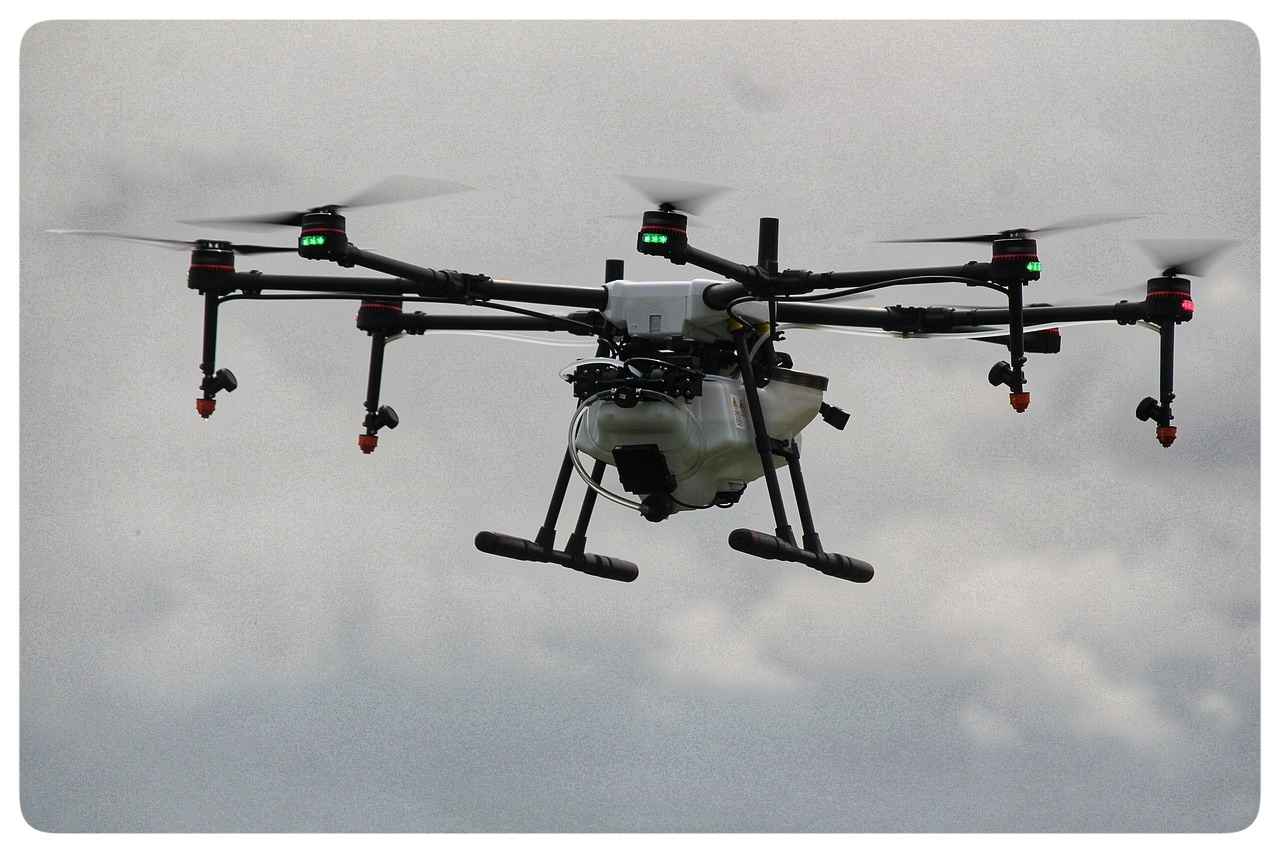
         Agricultural drones, additionally called unmanned aerial automobiles (UAVs) or remotely piloted aircraft systems (RPAS), are especially designed drones which might be utilized in farming and agricultural practices. These Agriculture drones have grow to be precious equipment for farmers, agronomists, and researchers, providing them with a fowl's-eye view of their fields and enabling them to accumulate precious facts for crop tracking, analysis, and selection-making and for help in crop management.


1. Key Components of Agricultural Drones :


Agriculture Drone

i. Frame :


        The body of an agricultural drone refers to its physical shape, which homes all the critical shape. 


ii. Flight Control System :


         The flight manage device is the thoughts of the agricultural drone. It consists of flight controllers, sensors, and navigation structures that allow the drone to keep balance, control its altitude, and examine pre-programmed flight paths.


iii. Propulsion System : 


       The propulsion tool consists of automobiles and propellers that generate the important thrust to hold the drone airborne. The huge variety and configuration of cars and propellers range relying on the kind of drone.


iv. Power Source :


           Agricultural drones are powered with the useful resource of rechargeable batteries, normally lithium polymer batteries. The battery functionality determines the flight time and patience of the drone.Normally single charged battery can work upto 2-3 hours depending upon work.


v. Sensors and Payloads :


        Agricultural drones are organized with numerous sensors and payloads to acquire statistics throughout flight. Common sensors consist of cameras, multispectral, thermal, LiDAR and hyperspectral sensors. These sensors capture imagery and statistics associated with crop fitness, soil moisture, temperature, and distinct crucial parameters.


 >>Also Read : 

Why Thousand's Of Farmers Are Protesting Against The Government ?


2. Types of Agricultural Drones :


Agriculture Drone


i. Fixed-Wing Drones :


             Fixed-wing drones have a layout much like airplanes, with a tough and fast wing and a propeller. They are recognized for his or her efficient and long-variety flight capabilities. Fixed-wing drones can cover big areas quick, making them ideal for mapping and surveying capabilities. They are regularly utilized in precision agriculture for crop fitness monitoring and mapping.


ii. Multi-Rotory Blade Agriculture Drones :


           Multi-Rotory Blade drones, have more than one rotors that offer vertical take-off and landing capabilities. These drones provide tremendous stability and manual, permitting them to hover in a vicinity and seize precise imagery. Multi-rotor drones are commonly used for near-variety inspection, plant counting, and crop scouting.


iii. Hybrid Drones : 


          They have vertical take-off and landing talents like multi-rotor drones but can transition to consistent-wing flight for longer-variety operations. Hybrid drones offer flexibility and flexibility, making them appropriate for numerous agricultural packages.


 >>Also Read : 

Cloudy Weather | Impacts On Agriculture Crops |


3. Features and Capabilities of Agricultural Drones :


Agriculture Drone


i. Flight Control Systems :

          Agricultural drones are prepared with superior flight control systems that offer stability, precision, and safety inside the route of flight. These structures use GPS (Global Positioning System) and one-of-a-kind navigation technology to preserve correct positioning and enable self enough flight.


ii. Payload Options :


          Agricultural drones can carry a whole lot of payloads, which incorporates cameras, sensors, and other records series gadgets. Different payloads allow farmers to seize excessive-selection imagery, accumulate multispectral or thermal statistics, and accumulate statistics about crop fitness, soil situations, and water pressure.


iii. Autonomous Operation : 


          Many agricultural drones are able to self sustaining operation, which means they can be programmed to look at predetermined flight paths and execute precise responsibilities. This self enough capability complements efficiency and permits farmers to focus on facts evaluation and desire-making in vicinity of manual drone manipulate.


iv. Data Processing and Analysis : 


         Agricultural drones generate a sizable amount of data at some stage in flight. Advanced drones are prepared with onboard processing structures or permit for easy transfer of information to floor stations. This information may be processed the usage of specialised software program to generate maps, observe crop fitness, find anomalies, and offer actionable insights for farmers and agronomists.


v. Real-Time Monitoring :

            Some agricultural drones offer real-time video streaming and stay monitoring abilties. This lets in farmers to check their fields in real-time and make immediately choices based totally at the collected facts.


 >>Also Read : 

Pradhan Mantri Kisan Samman Nidhi Scheme | प्रधानमंत्री किसान सन्मान निधी योजना 


4. Applications of Agricultural Drones


Agriculture Drone


        The use of agricultural drones has revolutionized farming practices through using imparting farmers with advanced device for crop monitoring, precision agriculture, crop spraying, and cattle control. Let's explore the various type of programs for drones in agriculture:


i. Crop Monitoring and Assessment :


           Agricultural drones are significantly used for crop tracking, permitting farmers to evaluate the health and scenario of their plants in a more green and unique manner. Drones organized with diverse sensors and cameras capture high-resolution imagery, multispectral data, or even thermal statistics, which offer precious insights into crop health, pressure degrees, and boom patterns. Farmers can come across early symptoms of illnesses, nutrient deficiencies, and irrigation problems, enabling them to take timely movements to mitigate crop damage and optimize yields.


ii. Precision Agriculture :

           Drones play a critical position in precision agriculture, which makes a speciality of internet site-particular manipulate of plants to optimize resource usage and growth productiveness. By amassing facts on soil conditions, drones assist in growing awesome soil maps, consisting of soil moisture content fabric, pH degrees, and nutrient distribution. This facts lets in farmers tailor their irrigation and fertilization practices, ensuring that property are implemented exactly in which needed. With using drones, farmers can put into effect variable charge packages, optimizing inputs and minimizing waste.


iii. Crop Spraying, Pest Control, and Weed Management :


         One of the most full-size programs of drones in agriculture is crop spraying. Drones equipped with spraying structures can efficaciously look at pesticides, herbicides, and fertilizers to flowers. This targeted technique reduces chemical drift, minimizes the risk of publicity to farmers, and ensures precise software, resulting in rate financial savings and decreased environmental impact. Drones also aid in pest manipulate thru tracking pest populations, figuring out infested areas, and allowing focused treatments. Additionally, drones may be used for mapping and identifying weed hotspots, permitting farmers to put in force localized weed manage strategies.


iv. Livestock Management :


         Drones are not restrained to crop-associated applications; they may be moreover precious gear for livestock control. Farmers can use drones to show the fitness and nicely-being in their livestock thru carrying out aerial surveys of grazing regions, monitoring animal actions, and figuring out ability issues. Drones equipped with thermal cameras can find out variations in frame temperature, helping to come to be aware about sick or injured animals for set off veterinary intervention. Furthermore, drones assist in assessing livestock inventory, counting animals, and mapping grazing patterns, helping in green herd control.


v. Environmental Monitoring :


           Agricultural drones are instrumental in environmental tracking, presenting insights into soil erosion, water superb, and habitat evaluation. Drones ready with LiDAR sensors can create wonderful topographic maps, assisting farmers perceive regions prone to erosion and enforce suitable soil conservation measures. They also can survey water our bodies, detecting water pollutants sources and monitoring water satisfactory parameters. Furthermore, drones beneficial resource in habitat assessment with the aid of engaging in aerial surveys and snap shots.


>>Also Read :


5. Benefits of Agricultural Drones


Agriculture Drone


           The use of agricultural drones in farming practices gives severa benefits and benefits for farmers, main to extended performance, productivity, and sustainability. Let's delve into a number of the crucial component blessings of the use of drones in agriculture


i. Enhanced Efficiency and Productivity :


         Agricultural drones notably enhance the efficiency and productivity of farming operations. By gathering excessive-choice imagery and information, drones offer farmers with actual-time statistics on crop health, increase styles, and potential troubles. This lets in proactive choice-making and nicely timed interventions, optimizing crop manipulate practices. Drones can cowl huge areas of farmland in a brief quantity of time, decreasing the effort and time required for guide inspections, essential to extended operational overall performance.


ii. Resource Management and Cost Savings :


          Drones play a important role in optimizing aid control in agriculture. By imparting one-of-a-kind statistics on soil conditions, crop fitness, and nutrient distribution, drones permit farmers to make informed selections regarding irrigation, fertilization, and pest control. This centered technique ensures that property are used successfully, minimizing waste and lowering enter costs. Farmers can placed into impact precision agriculture strategies, which encompass variable rate software, based totally totally on the unique goals of different regions of their fields, resulting in cost savings and advanced resource allocation.


iii. Improved Crop Yields :


            Through specific tracking, drones help farmers understand crop stress, nutrient deficiencies, illnesses, and pest infestations at early levels. By detecting and addressing the ones troubles proper away, farmers can take preventive measures and implement suitable interventions to defend and nurture their flowers. This proactive technique leads to more wholesome and additional green crops, ultimately improving ordinary crop yields and quality.


iv. Environmental Sustainability :


             Agricultural drones contribute to the merchandising of environmentally sustainable farming practices. By imparting focused information on crop health, drones assist in decreasing the want for chemical applications. Farmers can exactly goal regions that require treatment, minimizing the usage of insecticides, herbicides, and fertilizers. This focused approach reduces chemical go with the flow, minimizes environmental pollution, and promotes surroundings health. Furthermore, drones useful aid in soil and water control with the aid of identifying erosion-susceptible areas and monitoring water satisfactory, assisting soil conservation and water useful resource preservation.


v. Safety and Labor Efficiency :


            The use of drones in agriculture improves protection with the useful resource of decreasing the need for guide difficult paintings in risky or difficult-to-attain areas. Instead of farmers physically studying plant life or mountaineering ladders for seen checks, drones can offer particular aerial perspectives and information series, putting off the danger of falls or injuries. Drones can carry out autonomously or underneath remote manipulate, allowing farmers to display their fields from a secure distance. This no longer simplest complements protection however additionally will growth exertions performance, as farmers can allocate their time and assets more correctly to specific essential farm obligations. 


vi. Scalability and Adaptability :


            Agricultural drones provide scalability and adaptability, making them suitable for farms of all sizes. Whether it is a small-scale farm or a massive business operation, drones may be custom designed and programmed to meet specific requirements. They can adapt to unique crop types, terrain situations, and farming practices, presenting valuable insights and information for farmers to optimize their operations. The flexibility of drones allows for seamless integration into current farming structures, facilitating the adoption of superior technologies in agriculture.


Agriculture Drone


           In conclusion, the use of agricultural drones in farming practices brings numerous advantages to farmers. From extended efficiency and productiveness to optimized resource manipulate and decreased environmental impacts, drones offer quite a range of benefits that make contributions to sustainable and profitable agriculture. The capability of drones to provide real-time statistics, improve crop yields, and enhance protection and labor performance makes them precious equipment for contemporary farming operations. As the generation maintains to boom, drones are predicted to play an an increasing number of important characteristic in reworking and enhancing agricultural practices worldwide.


>>Also Read :

Pradhan Mantri Kisan Samman Nidhi Scheme | प्रधानमंत्री किसान सन्मान निधी योजना


>>Also Read :

Punyashlok Ahilyadevi Holkar Ropvatika Yojana | पुण्यश्लोक अहिल्यादेवी होळकर रोपवाटिका योजना 


>>Also Read :

Cloudy Weather | Impacts On Agriculture Crops |


>>Also Read :

Rosie - World's First Transgenic Cow

          Rosie, the world's first transgenic cow, stands as a turning point in the history of biotechnology and animal genetics. Born i...